
You wash your hair, go through your whole routine, and an hour later, your roots already feel... heavy. Or maybe you’ve been dealing with a persistent itch and some flaking, and you’re just chalking it up to the wild, humid weather we’ve had in East Point this September. As a stylist with over a decade of experience here in the Atlanta area, I see this all the time, especially as we head into fall. Clients come to me frustrated, thinking their shampoo has stopped working or that they suddenly have terrible dandruff.
More often than not, the culprit isn't what they think. The problem is usually one of two things: scalp buildup or a truly dry scalp. They can feel similar, but their causes and solutions are completely different. Understanding which one you're dealing with is the first step to getting your hair and scalp back to a healthy, happy state.
Common Signs and Symptoms
One of the most common questions I get is, how to tell dry scalp vs buildup? It’s easy to confuse them because both can cause itching and flakes. However, if you look closely, the clues are there. My team and I always encourage clients to pay attention to the specific texture and appearance of their scalp and hair.
Here are the key scalp buildup signs to watch for:
- Oily or Waxy Feel: Your scalp and roots feel greasy or have a waxy film, even shortly after washing.
- Limp, Lifeless Hair: Your hair has no volume at the roots and gets weighed down easily.
- Yellowish, Sticky Flakes: The flakes you see are often larger, yellowish in color, and may stick to your scalp and hair strands.
- A Persistent, Oily Itch: The itchiness is accompanied by a feeling of oiliness rather than tightness or dryness.
- Dullness: Your hair may have lost its natural shine because residue is coating the hair shaft.
On the other hand, a genuinely dry scalp presents differently:
- Tight, Uncomfortable Feeling: Your scalp skin feels tight and stretched, especially after you wash it.
- Small, White Flakes: These flakes are typically small, dry, and white, and they tend to fall easily onto your shoulders.
- A Dry, Prickly Itch: The itch is often more intense and feels like a classic case of dry skin.
- Brittle Hair: Because your scalp isn't producing enough of its own natural oils, your hair may also feel dry and brittle.
What Causes This Problem
Understanding the cause is crucial for finding the right solution. In our area, the environment plays a huge role. That signature Atlanta humidity we feel all summer in East Point doesn't just make our air conditioners work overtime; it has a direct effect on our scalp.
Scalp buildup is essentially an accumulation of things that haven't been properly washed away. The primary culprits are:
- Product Residue: Heavy conditioners with silicones, styling creams, gels, and especially dry shampoo are designed to cling to hair. Without a deep enough cleanse, they build up over time.
- Sebum: This is the natural oil your scalp produces. In hot, humid weather, our bodies often produce more sweat and oil, which can mix with dead skin cells and create a stubborn layer of buildup.
- Environmental Factors: Pollutants and hard water minerals from our pipes can also deposit onto the scalp and hair, contributing to the problem.
For many of my clients, the humid weather scalp itch causes are directly tied to this increase in sweat and oil. It creates the perfect environment for buildup to form quickly, leading to irritation and that frustrating itch.
A dry scalp, conversely, is a moisture issue. It means your skin isn't producing or retaining enough oil. This can be caused by:
- Over-washing: Ironically, trying to solve a greasy feeling by washing your hair too frequently (especially with harsh shampoos) can strip your scalp of its natural protective oils, leading to dryness.
- Harsh Products: Shampoos containing sulfates can be too stripping for sensitive or naturally dry skin.
- Skin Conditions: Eczema and psoriasis can manifest on the scalp, causing extreme dryness and flaking.
- Weather Changes: Just as our skin gets drier in the winter, a sudden change in weather can impact the scalp.
When to Call a Professional
Sometimes, a simple switch to a clarifying shampoo at home can resolve minor buildup. Likewise, a moisturizing scalp treatment or a gentler shampoo can help with mild dryness. But if you've tried these solutions and you're still not getting relief, it's time to seek professional help.
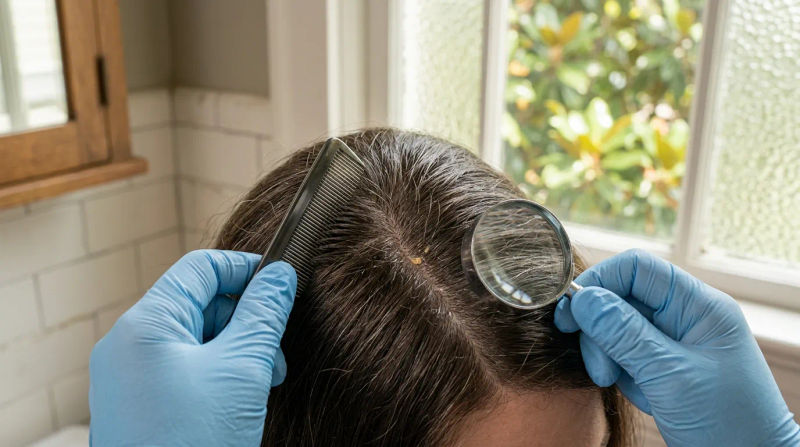
I always tell people not to wait until they're miserable. If your symptoms are persistent, or if you're just completely unsure what you're dealing with, a visit to an experienced stylist is your best next step. We can perform a thorough scalp analysis to accurately diagnose the issue.
For stubborn buildup, nothing beats a professional treatment. If you're struggling to get relief, booking an East Point clarifying shampoo appointment with a skilled stylist can make all the difference. We have access to professional-grade products and techniques that can effectively detoxify the scalp without stripping it bare, resetting the foundation for healthy hair growth.
A professional can also tell you if what you're experiencing goes beyond their scope. If we suspect an underlying dermatological condition like psoriasis, seborrheic dermatitis, or a fungal infection, we will always recommend you consult a medical doctor for proper diagnosis and treatment.
Conclusion
Navigating scalp issues can be confusing, but you don't have to guess. Start by carefully observing your symptoms to determine if you're likely dealing with buildup or true dryness. Remember that our hot and humid East Point climate makes us particularly prone to buildup, so a good cleansing routine is essential.
Don't let scalp discomfort ruin your hair's health and appearance. A healthy scalp is the foundation for beautiful hair. Acting early and seeking expert advice when needed can save you a lot of frustration and get you back to feeling confident and comfortable.
If you notice any of these signs and at-home remedies aren't working, contact a local hair salon professional for an inspection and personalized treatment plan.