
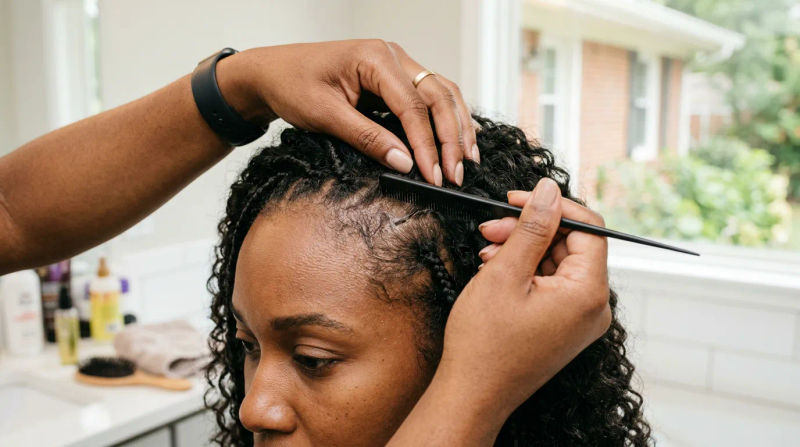
It’s a familiar feeling for anyone who loves the convenience and style of a quick weave. You’re going about your day, maybe getting ready for work or heading out for the evening, and as you run your hand over your hair, you feel it: the unmistakable edge of a track that’s come loose. It’s frustrating, to say the least, especially when the style is only a week or two old. As a stylist who has worked in the Atlanta area for over 12 years, I’ve seen this happen countless times, particularly during the thick, humid days of a Georgia September.
That damp, heavy air, a signature of East Point’s late hurricane season, can be tough on any hairstyle. When it comes to quick weaves, that moisture can be the primary culprit behind lifting and irritation. But don’t worry - understanding why it happens is the first step to preventing it. My goal here is to walk you through the common causes of quick weave lifting and give you some practical advice you can actually use.
Common Signs and Symptoms
The most obvious sign, of course, is feeling a weft that is no longer bonded to your protective cap. You might catch it with your comb or feel the edge lift when you move your hair. However, there are other, more subtle signs that can signal a problem is brewing before a track comes completely loose.
- A Bumpy or Uneven Foundation: If you run your hands over your head and feel bumps or ridges that weren't there before, it could mean the tracks are beginning to shift or the glue is starting to bunch up underneath.
- Localized Shedding: While some shedding is normal with any weave, if you notice a lot of hair coming from one specific area, it could be a sign that the weft in that spot is detaching.
- A Feeling of Looseness: Sometimes you can just feel it. The style doesn't feel as secure or snug as it did initially. This often happens at the nape of the neck or around the hairline first, where movement and sweat are most common.
- Increased Itching or Scalp Irritation: This is a big one. Quick weave itching and sweat often go hand-in-hand. When a track lifts, it creates a small pocket where moisture and oil can get trapped against your scalp and protective cap. This can lead to persistent itching, discomfort, and even a mild odor if not addressed.
What Causes This Problem
Understanding why quick weave tracks lift is key to extending the life of your style. It’s rarely just one thing, but usually a combination of factors. Just like the solid foundations of the classic 1950s ranch homes you see all over East Point were built to last, your quick weave needs a strong, well-prepped foundation to withstand our Georgia climate.
1. Moisture: The Ultimate Bond Breaker Humidity is the number one enemy of hair adhesive. Here in East Point, our September air is thick with moisture, and that alone can begin to soften the bond. Add in sweat from your daily commute, a workout, or even just being outdoors, and you have a recipe for lifting. Water from a shower or not thoroughly drying your hair after washing are also major culprits. The adhesive used for quick weaves is strong, but it’s not waterproof, and persistent dampness will break it down every time.
2. Improper Foundation and Prep The success of a quick weave is decided before the first track is even laid. The natural hair must be clean, dry, and free of any oils or leave-in conditioners. A quality protective shield - whether it's a stocking cap, a hardening liquid cap, or both - is non-negotiable. If the base isn't completely clean or the protective barrier is of poor quality, the glue won't be able to create a secure, lasting bond.
3. The Wrong Hair Products Oil dissolves hair glue. It's that simple. Applying oily sheens, greases, or serums directly to your scalp or near the base of the tracks will break down the adhesive and cause quick weave lifting. I always advise my clients to use lightweight, water-based, or oil-free products to maintain their style's shine and moisture balance without compromising the installation.
4. Physical Stress and Tension How you handle your hair matters. Constantly pulling your hair into a tight, high ponytail puts continuous strain on the wefts, especially around the hairline and nape. Aggressive brushing or combing can also snag the tracks and cause them to lift. This is why sleeping on a silk or satin pillowcase or wearing a protective bonnet or scarf is so important - it minimizes friction and tension while you sleep.
5. The Natural Lifespan of the Style A quick weave is a temporary style, typically designed to last between three and five weeks. As you approach the end of that timeframe, it's natural for the adhesive to begin breaking down. Lifting is often the first sign that it's time to schedule a removal and give your natural hair a break before your next installation.
6. Scalp Chemistry Some of us simply have more active sebaceous glands, meaning our scalps naturally produce more oil. If you have an oily scalp, you may find that your quick weaves lift faster than average. In these cases, using a scalp toner or astringent (applied carefully with a cotton ball before the install) can help create a less oily foundation.
When to Call a Professional
So, you’ve found a lifted track. Can you fix it yourself? Sometimes. But it’s important to know when a DIY touch-up is appropriate and when it's time to seek out professional East Point quick weave fixes.
A Small DIY Fix Might Be Possible If:
- It’s a single, small corner of one track that has lifted.
- The area is easy for you to see and reach, like along your front hairline.
- You have the correct hair bonding glue (never use anything else!).
To attempt a small fix, carefully lift the loose edge, use a cotton swab with a bit of alcohol to clean any oil or residue from under the weft and on the cap, let it dry completely, apply a tiny dot of glue with a toothpick, and press it down firmly for 60 seconds.
You Should Call a Professional When:
- Multiple tracks are lifting. This indicates a systemic problem, likely related to moisture or improper prep, that a few dabs of glue won't solve.
- The cap itself is compromised. If the protective barrier is ripped or peeling away from your scalp, the entire style's foundation is failing.
- You’re experiencing significant itching or a bad odor. This points to trapped moisture, a major cause of quick weave itching and sweat, which can lead to scalp irritation or mildew. A professional needs to safely remove the style, and treat your scalp and hair.
- The lifting is at the crown or back of your head. You can't see what you're doing, which increases the risk of accidentally gluing the weft to your natural hair - a mistake that can cause serious damage.
An experienced stylist can assess the situation properly. They can determine if a repair is feasible or if the safest and healthiest option is to remove the style, shampoo and treat your hair, and start fresh.
Conclusion
A lifting quick weave is an annoyance, but it’s almost always a solvable problem. The primary culprits are usually moisture, oil, improper prep, or simply the age of the style. By being mindful of humidity, choosing your products wisely, and protecting your hair from unnecessary tension, you can significantly extend the life of your beautiful style.
Pay attention to the early signs, like that bumpy feeling or a bit of extra itching. Addressing a small lift early is much easier than dealing with multiple loose tracks later on. Don't let a minor issue turn into a major headache.
If you notice any of these signs and aren't confident in fixing them yourself, contact a local hair salon professional for an inspection. They have the expertise to keep your hair looking its best while protecting the health of your natural hair underneath.