
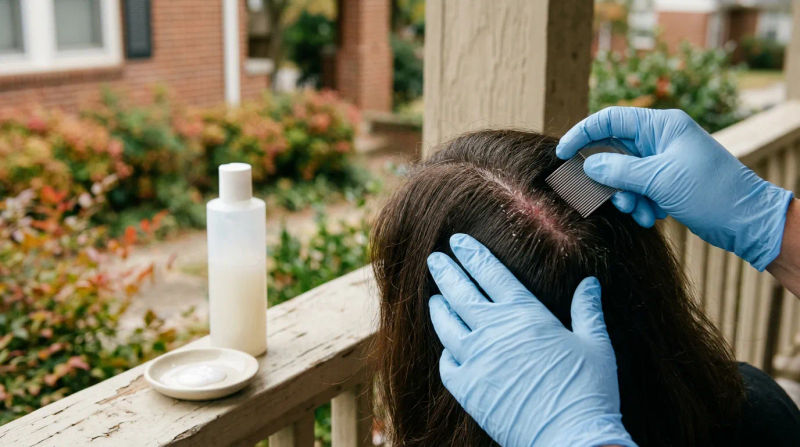
As a stylist in the Atlanta area for over a decade, I’ve noticed a pattern every October. The air gets a little crisper, the humidity finally breaks, and clients start coming in with the same complaint: a suddenly dry, tight, and frustratingly itchy scalp. After a long, hot East Point summer of fighting off sweat and oil, it can be jarring to suddenly deal with the opposite problem. You might be wondering if your favorite shampoo has turned against you or if something more serious is going on. More often than not, the answer lies in the seasonal transition and how our hair care routine needs to adapt along with it.
Common Signs and Symptoms
Before we can address the problem, we need to be sure we’re identifying it correctly. A dry scalp is often confused with dandruff, but they are two different conditions with different causes. Knowing what to look for is the first step toward relief.
Here are the classic signs of a dry scalp:
- A feeling of tightness: Your scalp might feel like it’s stretched too thin, similar to how the skin on your face feels after using a harsh cleanser.
- Small, white, dry flakes: These are tiny particles of dead skin that flake off easily. They tend to look like fine powder and are most noticeable on dark clothing. This is different from dandruff flakes, which are typically larger, yellowish, and can feel oily.
- Itchiness: This is the most common and annoying symptom. It can range from a mild, occasional nuisance to a constant, distracting irritation.
- Slight redness or irritation: If you’ve been scratching a lot, you might notice some redness on your scalp. However, a dry scalp doesn't typically cause significant inflammation on its own.
If you're experiencing these symptoms, you're likely dealing with simple dryness, which is very common as we move into the cooler, less humid months.
What Causes This Problem
The shift from a sweltering Atlanta summer to a mild October is the primary trigger for seasonal scalp issues. Your scalp is skin, and just like the skin on your hands or face, it reacts to environmental changes. Here’s a breakdown of the main culprits.
1. The Drop in Humidity: All summer, the high humidity in our area helps keep our skin and scalp hydrated. When October arrives, the air becomes significantly drier. This dry air pulls moisture from your skin, including your scalp, leaving it parched and prone to irritation. This is often the main reason for an itchy scalp after summer East Point residents experience.
2. Summer Hair Care Habits: Think about how you cared for your hair in July and August. You were likely shampooing more often to combat sweat, oil, and product buildup from things like sunscreen spray. You might have been using a stronger, clarifying shampoo to get that deep-clean feeling. While perfect for summer, that routine can be too stripping for the drier conditions of fall. Continuing to overwash or use harsh cleansers can strip your scalp of its natural protective oils (sebum), leading directly to dryness and itching.
3. Hot Water: As the mornings get cooler, it’s tempting to turn up the heat in the shower. Unfortunately, hot water is another major enemy of a healthy scalp. It strips away natural oils much more aggressively than lukewarm water, exacerbating dryness and leaving your scalp feeling tight and uncomfortable.
4. Product Buildup vs. Dryness: Sometimes, what feels like a dry scalp is actually the result of product buildup. Hairsprays, dry shampoos, and styling creams can leave a film on the scalp that clogs hair follicles and causes itching. It’s important to distinguish this from true dryness, as the treatment is different. Buildup often requires a clarifying shampoo, whereas dryness needs a moisturizing one - using the wrong product can make the problem worse.
This leads to a common question I hear: how often to shampoo in October Atlanta? There's no single answer, but for most people, reducing the frequency from their summer schedule is a good start. If you were washing daily, try every other day. If you were washing every other day, try stretching it to every three days.
When to Call a Professional
Many cases of seasonal dry scalp can be managed at home with a few simple adjustments. You can try switching to a sulfate-free, hydrating shampoo and conditioner, washing with lukewarm water, and reducing your shampooing frequency. A gentle scalp massage while you shampoo can also help stimulate blood flow and natural oil production.
However, there are times when DIY solutions aren’t enough and you need an expert opinion. You should consider booking an appointment with a trusted stylist if:
- Your symptoms don't improve after a few weeks: If you’ve made changes to your routine and are still experiencing significant itching and flaking, it’s time for a professional look.
- The itching is severe or unbearable: Constant scratching can lead to abrasions and potential infections. A professional can help you find relief quickly.
- You see large, oily, or yellow flakes: This is a strong indicator of dandruff (seborrheic dermatitis) or another scalp condition that requires a different treatment approach than simple dryness.
- You notice sores, scabs, or significant inflammation: These are red flags that point to a more serious issue that needs professional assessment.
An experienced stylist can provide a thorough scalp analysis to determine the true cause of your discomfort. We can recommend a targeted professional East Point salon shampoo and conditioner formulated for scalp health. Sometimes, a professional dry scalp shampoo service East Point salons offer can make a world of difference. This type of treatment often involves a gentle exfoliation to remove dead skin cells, followed by a deeply hydrating mask and serum to soothe and rebalance the scalp. It’s a reset that can get you back on track for a comfortable, flake-free fall and winter.
Conclusion
That transition from the heat of summer to the cool air of fall is a welcome change for most of us in East Point, but it requires a shift in our self-care routines. Your scalp is often the first place to signal that it needs a different kind of attention. By recognizing the signs of dryness, understanding the environmental causes, and adjusting your shampoo habits, you can often manage seasonal scalp itchiness on your own.
Remember to listen to your body. Don’t just push through the discomfort, assuming it will go away. A dry, itchy scalp is a sign that your skin's natural barrier is compromised. Acting early by switching to more hydrating products and being gentler with your hair care can prevent the issue from becoming more severe. And never hesitate to reach out for expert help when you need it.
If any of this sounds familiar, get in touch with a local hair salon. A qualified professional can help you create a personalized plan to restore comfort and health to your scalp.